
Shaft alignment checklist after machine moves
After relocation, alignment reduces vibration and bearing damage. This demo lists feet, shims, dial readings and re-torque after trial runs.…

2026-07-01
Introduction
Article «Shaft alignment checklist after machine moves» is part of BTH E&C News & Technical Notes (demo content). It provides a technical framework, checklists and site notes for internal training or web editing — not a report of a specific contract.
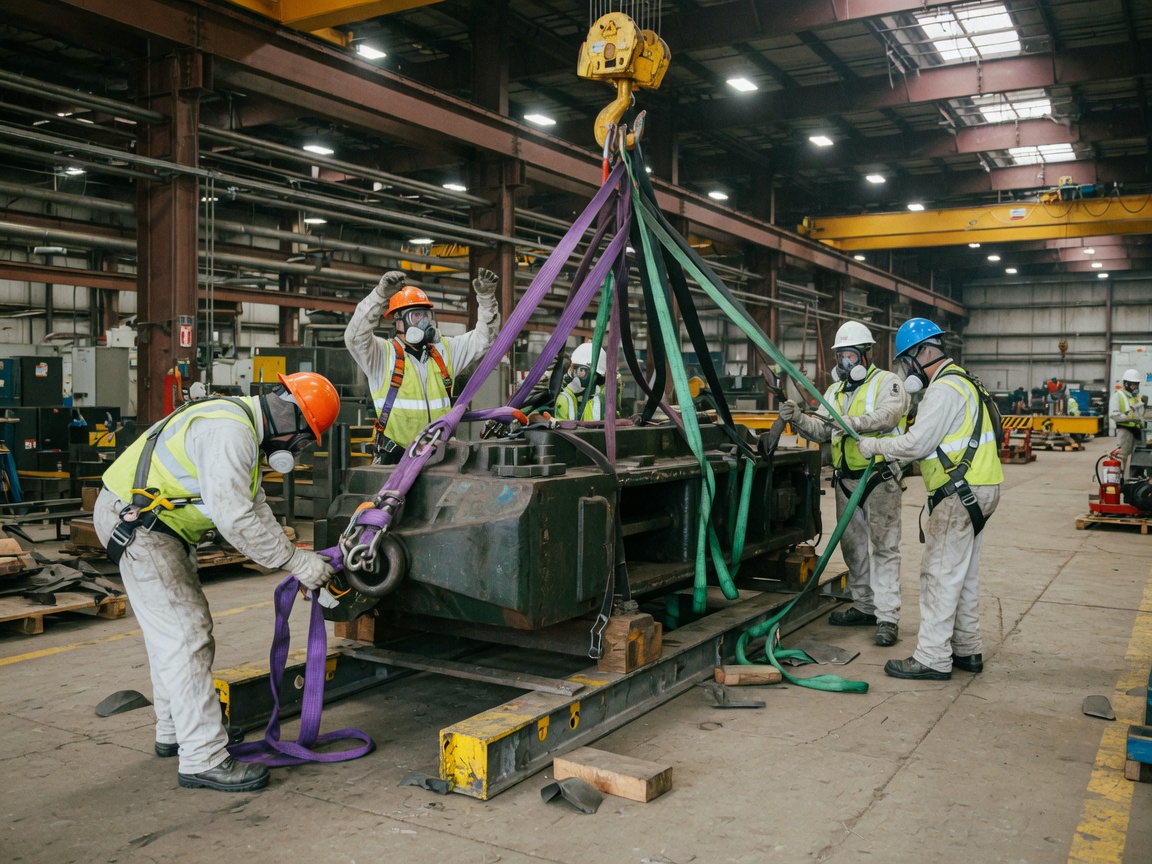
Industrial plant context
In Dong Nai industrial parks and nearby areas, many packages run while the plant stays live. Typical constraints: short isolation/shutdown windows, shared aisles with production, area PPE and work permits. Without a shared process, small prep errors escalate into downtime, rework or acceptance disputes.
Technical objectives
Describe inputs, hold-points and document outputs clearly; align engineering, site, QA/QC and HSE language. Acceptance criteria should be measurable or observable — not signature-only.
Suggested sequence
Typical flow: (1) collect operations constraints and as-found drawings; (2) survey/risk assessment with minutes; (3) lock method statement and ITP; (4) execute/inspect at hold-points; (5) final tests or reviews; (6) pack the dossier. If scope grows, stop and re-lock the method instead of silent extras.
Site constraints and HSE
Respect area PPE, permits, LOTO when needed, and stop-work authority. Brownfield needs production-shift coordination. Start-of-shift toolbox records main hazards, controls, PPE and emergency points. Do not expand into unauthorised zones.
QA/QC and records
Checklists with clear criteria; before/after photos when allowed; test minutes and as-built when in scope. One package code across photos–checklists–drawings. Demo content does not invent pass rates, torque, megohms or bar values — only field names and decision gates.
Multi-discipline coordination
Cable trays meet piping, foundations meet buried services, control logic depends on field devices — keep one coding system on drawings, panels and HMI tags. Maintain an interface matrix from day one and update it when changes appear.
Conclusion
Packages work when engineering, site and records stay in sync. This article is a simulated framework for editing/training — not a substitute for design, ITP or HSE approvals on a real job. Real figures and clients are added only when BTH supplies verified data.
Quick checklist
- Scope and operations constraints recorded
- Method statement / ITP approved
- Hold-points signed on time
- Photos and minutes coded by package
- Punches closed before handover
Demo content